


Robinhood Banking
4.92.35K Reviews
App Specs
- Version
- 2.18.7
- Updated On
- License
- Free
- Downloads
- 100,000+
- Developer
- Robinhood
- Categories
- Finance
- Platform
- Android
Screenshots

 Analysis by AppCompare
I approach finance apps with one practical question: can I use them to make a money decision without losing track of what I was trying to do? Robinhood Banking brings banking and investing into the same mobile experience, which can be convenient when you want to check cash and investments in one place. That combination is also its central trade-off: it can make investing feel close at hand, so it helps to decide what you want the money to do before opening the app.
Who this setup suits—and who may want something else
Robinhood, the developer, positions this free finance app around credit-card and banking use. It is rated for Everyone, and its audience is broad: someone who wants a mobile starting point for everyday money and beginner-friendly investing may appreciate having those activities together. The app has an average rating of 4.8 from around 17,000 ratings, with roughly 1,800 written reviews and over 100,000 installs. Those figures offer a sense of its reception, but they do not tell me whether its approach fits your own habits.
I’d be more cautious if you want a traditional bank to be the center of your financial life, or if your investing decisions depend on detailed research and analysis. A separate banking app and a specialist brokerage can be a better fit when you value deeper tools, distinct account roles, or a clear boundary between spending money and investment money. Robinhood’s appeal is convenience; that does not automatically make it the best place for every financial task.
Start with a specific money job
Before signing up, I’d decide what I want the app to help me do: keep cash accessible, begin investing, or bring those activities into one view. That small bit of planning makes the first session more useful. If I arrive expecting a full-service bank, a comprehensive investing classroom, and an advanced trading workstation all at once, I’m likely to judge it against jobs it may not be designed to handle equally well.
The app is free, runs on Android 7.0 or later, and its current version is 2.9.11. It was released on March 19, 2024. Those details help with the basic decision to install, but I’d still treat the account setup as the point to review any prompts carefully and understand which parts of the service I actually intend to use.
A realistic day-to-day workflow
Imagine I have money set aside after payday and want to make a small investment without committing the whole amount. I can use the app’s cash-management and investing ideas as a connected workflow: first look at available cash, then decide what portion is genuinely for investing, and only then consider an order. Fractional shares can make a small allocation possible without needing to buy a whole share, but they do not make an investment less risky.
My most useful practical habit would be to keep a simple note of the purpose of each amount before moving it. Money meant for an upcoming bill should not become an investment just because a trading screen is easy to reach. Separating “available to invest” from “needed soon” in my own budget reduces the chance that a convenient interface nudges me into using cash I meant to keep liquid.
Worth Reading Before You Choose

EA SPORTS FC Mobile 26 Is a Bigger Football Game, but It Takes Time

Flipboard Shows What News Apps Must Do Beyond the Feed

Switching to Android Auto Means Rethinking Your Driving Routine

Google Calendar Makes a Crowded Week Easier to Manage

Ludo King Makes the Most of the Minutes Between Plans

Baby Panda World Brings Quick Play to Modern Phones, but Its Game Library Feels Busy
Where the handoffs need attention
Bringing cash and investments together can reduce app-switching, but it does not remove the decisions between them. A deposit, an investment choice, and later access to cash are separate steps with their own timing and consequences. I would not treat the mention of instant deposits as a promise that every transfer or transaction is immediate in every circumstance; I’d check the app’s current terms and status indicators before relying on money for a time-sensitive payment.
The same care applies to the debit card and interest-bearing cash described in the original account of the experience. Those can make the cash side feel more bank-like, but I would compare the current account terms with my needs rather than assume that a familiar card means every feature works like the account I already use. For everyday spending, I’d keep a dependable backup payment method until I’m comfortable with the handoff.
Making the App Work for Your Routine
I find it useful to decide in advance which money tasks I want this app to handle and which I’d rather keep elsewhere. That boundary can be as simple as reserving it for checking cash and exploring investments while leaving bill payments in my usual bank app. With that routine in mind, I’d next look at how the day-to-day steps connect.
What I would check before relying on it
When money is involved, I want to know how to get help, what security controls are available, and which details apply to the particular account action I’m taking. The original experience describes encryption, multi-factor authentication, and support by chat or phone. I’d still turn on available account protections and use a strong, unique password; security features are most useful when they are paired with careful account habits.
I’d also make a small, low-stakes first run through the workflow before depending on it for a deadline. Check how the app presents balances, identify where account activity is shown, and make sure you understand the steps for adding or using funds. That is more useful than assuming that a clean dashboard means every financial detail is self-explanatory.
How it compares with separate banking and investing apps
Compared with keeping a bank app for spending and a brokerage app for investing, Robinhood’s main advantage is having fewer places to check. That can suit someone who wants to start small and see cash and investments in a familiar mobile setting. The downside is that combining jobs may blur the mental line between money for bills and money exposed to market changes. Separate apps create extra friction, but that friction can be a useful pause.
For a hands-on investor, the reported lack of comprehensive research tools matters more than the convenience. I would use a specialist research source or a brokerage with stronger analysis if I needed deeper company information before making decisions. For someone who mainly wants a simple route into investing, the lighter approach may feel less intimidating—provided they are willing to do their own homework and not mistake ease of placing a trade for confidence in the trade itself.
Getting started with Robinhood Banking
If you're like me, trying to get a better grip on managing your finances, you've probably heard about Robinhood Banking. It's been creating quite a buzz, and I decided to dive in and see what all the fuss is about. So, buckle up as we take a journey through the features, the good, and the not-so-good of this app. Spoiler alert: it might just change the way you handle your money!
First things first, setting up the app is a breeze. You start by downloading it from either the App Store or Google Play, and it's light enough not to clog up your phone's storage. Once installed, you’ll need to create an account. I found the sign-up process surprisingly straightforward; it took me just a few minutes to get everything set up. They ask for some personal details, but nothing out of the ordinary.
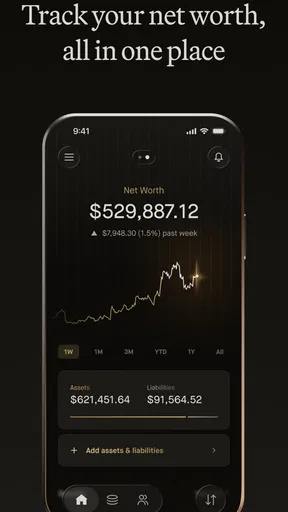
One thing I really appreciated was the user-friendly interface. From the moment you log in, you’re greeted by a clean, intuitive dashboard. It’s like they’ve read my mind and designed it just for me! Whether you’re tech-savvy or not, navigating through this app is as easy as pie.
The features you’ll love
Now, let’s dive into the features that make this app stand out. At its core, Robinhood Banking is all about making your financial life simpler and more efficient.
1. Commission-free trading
Yes, you read that right. You can trade stocks, ETFs, and even options without paying a commission. This is a game-changer if you’re looking to dip your toes into the world of investing without hefty fees eating into your profits.
2. Cash management
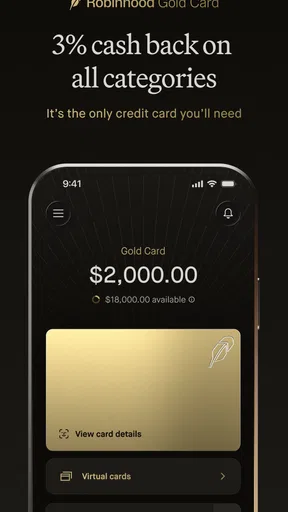
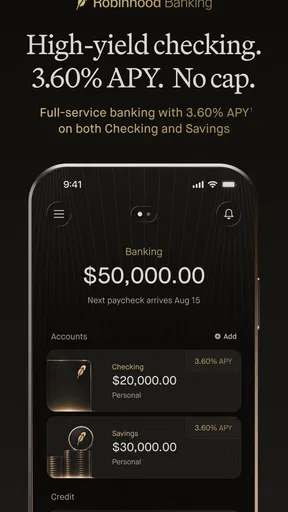
This feature is like having a bank account with benefits. You get a debit card, and your cash earns interest while sitting in the account. It’s like having your cake and eating it too!
3. Fractional shares
Not ready to drop a fortune on a single share of Apple or Tesla? No problem. With fractional shares, you can start investing with just a dollar. This feature is perfect for beginners or those with a tighter budget.
4. Instant deposits
Waiting for funds to clear can be such a drag, right? With instant deposits, you can access your money immediately and seize those investment opportunities as they come.
Security and support
When it comes to financial apps, security is a big deal. Robinhood Banking doesn’t skimp on this front. They use advanced encryption and have multi-factor authentication to keep your information safe and sound. I felt pretty secure knowing they take this seriously.
As for support, I found their customer service to be quite responsive. Whether you're facing technical issues or have questions about your account, they’re just a chat or call away. It’s comforting to know help is readily available if you need it.
Where it can feel limited
No app is perfect, and Robinhood Banking is no exception. While it offers a lot of bang for your buck, there are a few areas where it could improve.
For instance, I noticed that the app doesn’t have the most comprehensive research tools. If you're a seasoned investor looking for in-depth analysis, you might find this lacking. It's more geared towards casual traders or those just starting out.
Also, while the app is generally smooth, there were a couple of times when it lagged a bit. Nothing too drastic, but worth mentioning if you’re someone who values speed and efficiency.
My take after weighing the trade-offs
So, what's the final verdict on this app? In my book, it’s a solid choice for anyone looking to streamline their finances, get into investing, or simply have a more modern banking experience. The features are robust, it's easy to use, and the commission-free trading is a huge plus.
While it may not be the best fit for hardcore investors looking for extensive research capabilities, it’s perfect for someone like me who wants a straightforward, efficient way to handle their money. So, if you’re curious about dipping your toes into the world of finance, give Robinhood Banking a try. Who knows, it might just be the tool you need to take control of your financial future!
One last practical check
I’d approach the app as a useful option, not as a reason to change every part of my financial routine at once. Start with the specific task you care about, keep enough separation between spending cash and investment money, and pay attention to the details shown when you move funds or place an order. That makes the convenience work for you instead of letting convenience make the decision.
If you want a straightforward mobile entry point that puts cash management and investing in the same orbit, Robinhood may be worth considering. If your priority is detailed investment research, a conventional banking relationship, or a deliberate barrier between savings and trading, another setup may serve you better. My recommendation is conditional but positive: it works best when you know which job you’re handing it and remain thoughtful about the steps that follow.
Pros
- User-friendly interface for quick navigation.
- No commission fees for trades.
- Instant access to deposited funds.
- Fractional shares available for small investors.
- Real-time market data and notifications.
Cons
- Limited customer support options.
- No retirement accounts available.
- Margin trading requires a premium subscription.
- Limited investment research tools.
- Occasional app outages reported.
FAQs for Robinhood Banking
What are the main features of Robinhood Banking?
Robinhood Banking provides commission-free trading of stocks and ETFs, which means you can invest without paying fees on each trade. It also offers a cash management account with a competitive interest rate, access to cryptocurrency trading, and a simple, user-friendly interface suitable for beginners. Additionally, the app includes real-time market data and customizable alerts.
Is Robinhood Banking safe to use?
Yes, Robinhood Banking is safe to use. The app is regulated by the U.S. Securities and Exchange Commission (SEC) and is a member of the Financial Industry Regulatory Authority (FINRA). It also offers SIPC protection, which insures your investments up to $500,000. The app uses advanced security measures, including encryption and two-factor authentication, to protect your data.
Does Robinhood Banking charge any fees?
Robinhood Banking is known for its commission-free trading, which means it does not charge fees for buying and selling stocks or ETFs. However, there may be some fees for certain services, such as margin trading, transferring funds, or trading options. It’s important to review their fee schedule on the official website to ensure you understand any potential costs.
What are the limitations of using Robinhood Banking?
While Robinhood offers many benefits, it has some limitations. For instance, it lacks some advanced trading tools found in other platforms, which may not satisfy experienced traders. Additionally, customer service is primarily via email, which can lead to slower response times. Robinhood also does not offer mutual funds or bonds, limiting investment options for some users.
How does Robinhood Banking handle fractional shares?
Robinhood Banking allows you to purchase fractional shares, which means you can buy a portion of a share rather than a whole share. This feature enables users to invest in expensive stocks without needing a large amount of money upfront. It’s a great option for those who want to diversify their portfolio with limited funds.


